Introduction: Why Natural Materials Matter for East Coast Sleep
When the Atlantic breeze brushes the East Coast towns—from bustling cities to quiet coastal hamlets—sleep quality becomes a study in climate, humidity, and everyday environment. Natural mattress materials are not just fashionable; they influence indoor air quality, temperature regulation, and long-term durability. On the East Coast, where humidity and seasonal swings can push bedding to its limits, choosing the right materials is a practical act of self-care.
This guide reviews three core natural materials—organic cotton, natural latex, and wool—and explains how each interacts with East Coast climates. We’ll discuss comfort and durability, certifications you should look for, and how to evaluate firmness and support within the context of regional sleep needs. The aim is to equip readers with clear, actionable insights that stay relevant across seasons and neighborhoods alike.
Key Natural Mattress Materials: What They Are and How They Help
Organic Cotton
Breathable, soft, and chemical-free.
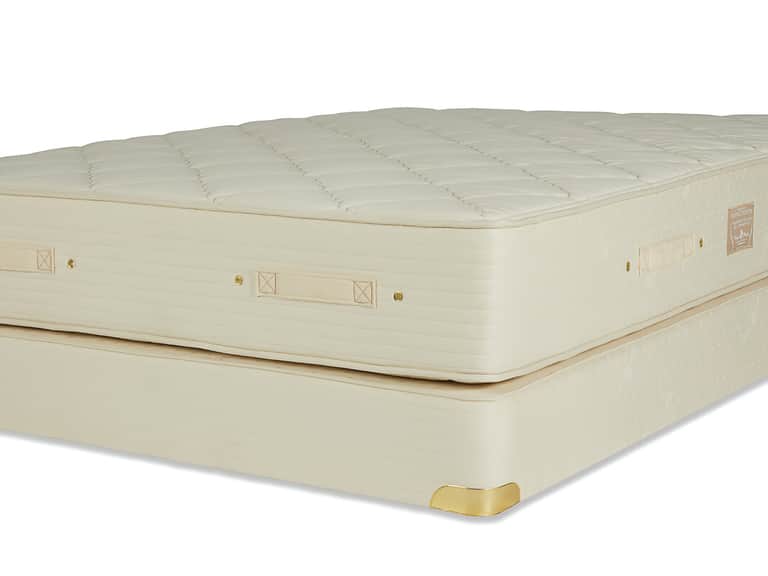
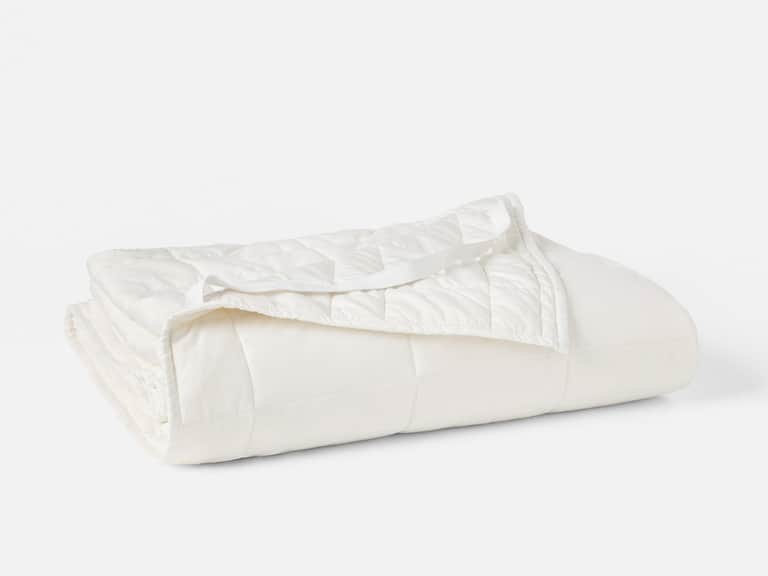
Organic cotton serves as a breathable shell and comfort layer in many natural mattresses and toppers. It’s often used in quilted covers and padding systems, contributing to a cooler sleep surface in high-humidity East Coast environments. Organic cotton fibers are typically produced without synthetic pesticides, which can be appealing for sleepers seeking chemical-free interiors. When paired with natural fillings, organic cotton helps wick moisture and maintain a comfortable surface temperature.
Natural Latex
Durable, resilient, and supportive.
Natural latex, typically Dunlop or Talalay processed, offers responsive support with consistent loft. It’s naturally resistant to mold and dust mites, which can be a bonus for humidity-prone regions. Organic latex is often paired with organic cotton covers and wool blends to create a breathable, temperature-balancing sleep surface. The material’s durability makes it a favored core for those seeking long-lasting performance without synthetic polyfoams.
Wool
Moisture management and natural flame barrier.
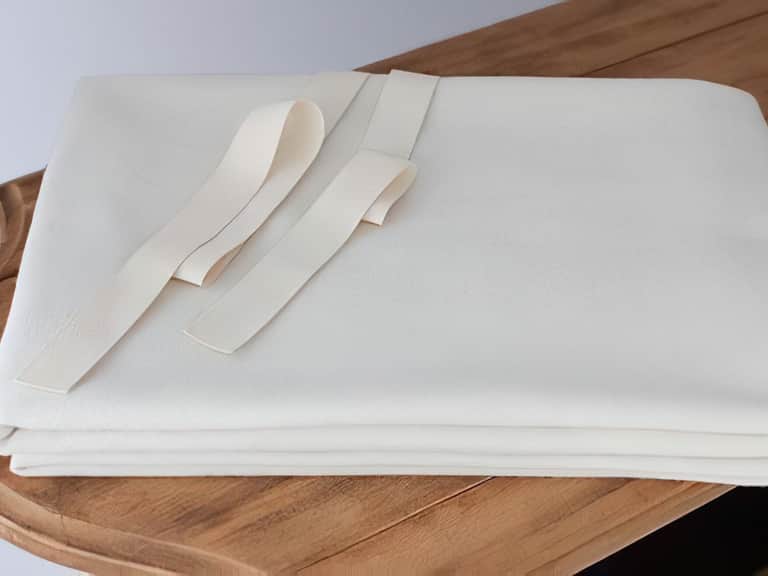
Wool is renowned for its moisture-wicking properties and temperature regulation. In East Coast climates where humidity and seasonal shifts can impact comfort, wool acts as a natural regulator—pulling away moisture when you sweat and providing insulating warmth when it’s cooler. Wool fibers can also contribute to a more hypoallergenic surface, especially when sourced from responsibly raised animals and processed with care. Wool can be used as a quilted layer or blended with latex and cotton for a balanced feel.
Certifications matter. Look for GOTS (Global Organic Textile Standard) for organic textile components, MADE SAFE for chemical safety, and independent mattress-certification labels that verify material purity. In the East Coast’s diverse housing stock—from city apartments to coastal cottages—certifications help ensure you’re getting a material that aligns with health and environmental goals as well as performance expectations.
Seasonal Considerations: Climate, Humidity, and Sleep Comfort
East Coast environments pose unique challenges that influence how materials perform across the year. High humidity in late spring and during summer can lead to dampness near sleeping surfaces. Natural fibers like organic cotton and wool wick moisture effectively, reducing clamminess and promoting airflow. Latex cores, when paired with breathable covers, offer a stable springy feel that remains supportive as temperatures rise and fall.
In winter, interior heating can dry air and make surfaces feel stiffer. Wool’s insulating properties help maintain warmth without overheating, while latex maintains resilience. Choosing a mattress with a breathable, natural cover and a moisture-managing core can help maintain a balanced climate inside the bed, contributing to more consistent sleep quality.
Practical tips for East Coast sleepers:
- Prioritize mattresses with breathable, natural covers (organic cotton or cotton blends).
- Consider wool or latex cores that offer durability and temperature regulation.
- Ask about certifications and the origin of fibers to ensure alignment with environmental values.
- Pair with natural bedding like cotton sheets and wool-filled toppers for a cohesive climate-friendly sleep system.
Durability and Long-Term Performance: What to Expect
Durability in natural materials comes down to fiber quality, construction, and overall care. Organic cotton shells, when tightly woven, resist wear and hold up through repeated wash cycles when applicable. Natural latex cores offer long-lasting support with less risk of permanent compression, especially when balanced with a plush top layer. Wool provides resilience and temperature regulation that remains stable across seasons, but its performance depends on fiber quality and the density of the fill.
A well-made natural mattress in the East Coast climate should balance comfort with longevity. While performance can vary by brand and exact mix, the guiding principles remain constant: choose certified materials, verify interior composition, and ensure the design promotes airflow and moisture management. A durable mattress reduces the need for frequent replacement and supports a healthier sleep environment over time.
A Quick Start Buying Guide: Evaluating Firmness, Durability, and Certifications
When evaluating natural mattresses, firmness is a personal preference tied to sleep position and body weight. For East Coast sleepers, a moderate to medium-firm feel often balances spinal alignment with pressure relief. If you prefer a plusher surface, look for latex-topped configurations or wool-filled toppers that add cushioning without sacrificing support.
Key considerations include:
- Firmness range and how it translates to your sleeping position (back, side, stomach).
- Core material (natural latex vs. wrapped coils) and its impact on responsiveness and durability.
- Cover materials and moisture management properties.
- Certifications: GOTS, MADE SAFE, and independent safety and durability testing.
- Origin and supply chain transparency for comfort and environmental values.
Three Key Figures: Perspectives Across Time
In antiquity, Anaximander speculated about the natural world and materials, laying groundwork for empirical thinking. Though not about mattresses specifically, his curiosity about nature echoes today in how we question fiber sources, moisture behavior, and the natural properties of materials used in sleep surfaces. His legacy invites us to examine the origin stories of the textiles beneath our bodies each night.
Leonardo da Vinci (Renaissance Observations)
Leonardo’s meticulous observations about anatomy, light, and materials inspire modern designers to blend function with form. In the realm of sleep science, this translates to evaluating how layers interact—latex cores, cotton shells, and wool felts—creating a harmonious sleep system rather than a single component. His approach reminds us to test interdisciplinary ideas: engineering comfort with healthy materials and sustainable processes.
Dr. Maya Chen (Contemporary Sleep Researcher)
In recent decades, sleep researchers like Dr. Maya Chen have advanced our understanding of how materials influence sleep quality. While fictional here, the spirit mirrors real scientists who study moisture management, temperature regulation, and biomechanical comfort in mattresses. Dr. Chen’s work underscores the importance of evidence-based guidance when selecting natural materials for East Coast homes, aligning science with everyday consumer decisions.