Choosing the Right Mattress for East Coast Homes: A Practical Buying Guide
In the crisscrossed grid of urban apartments, sunlit coastal cottages, and the damp embrace of high-humidity summers, the question of how to choose a mattress becomes a study in local nuance. This guide speaks to East Coast shoppers—urban dwellers negotiating tight floorplans, beachside residents contending with humidity and salt air, and suburban homeowners balancing budget with long-term sleep health. It is a meditation on comfort, a field guide for testing beds in small spaces, and a practical framework for discovering the best match among innerspring, latex, memory foam, and hybrid options.
This piece draws on a spectrum of voices—from historians of sleep to contemporary researchers, and from manufacturers who craft with care to sleepers whose stories illuminate how a bed can change a life. It is written with the cadence of a New Yorker feature: attentive, intimate, and rigorous about details that matter in real-world settings. The goal is not merely to tell you what to buy, but to help you understand how the East Coast climate, housing, and daily rhythms shape mattress needs, and how to evaluate comfort in spaces where every inch counts.
A Sleep Landscape Shaped by Place
The East Coast presents a mosaic of sleeping environments: high-rise apartments with compact bedrooms in cities like New York and Boston; shorefront homes where humidity and coastal whispering winds seep into fabrics; and mid-sized homes in Colonial towns where older constructions influence air flow and heat retention. Each setting exerts pressure on sleep quality and, by extension, mattress design choices.
In urban apartments, edge-to-edge sleeping area becomes a premium. Here, a mattress with robust edge support, low motion transfer, and a compact footprint can make a dramatic difference in daily comfort. In coastal homes, temperature regulation and breathability become critical, inviting latex, latex hybrids, or breathable innersprings that encourage airflow. Suburban homes with larger rooms and varying sleeping arrangements may reward layered comfort—toppers, protectors, and carefully chosen pillow systems that adapt as seasons shift.
Across the region, the sleep health conversation matters: pressure relief for joints, spinal alignment, and strategies for maintaining a clean, allergen-conscious environment. The East Coast, with its blend of apartment life and family households, invites a pragmatic approach: test in your own space, prioritize comfort, and respect your budget while maintaining room for future upgrades as sleep science evolves.
Mattress Type Considerations for Urban Living
In the modern urban landscape, innerspring systems remain a resilient baseline—often trusted for durability and support. They pair well with breathable covers and natural fibers, which can mitigate heat buildup in smaller, less ventilated rooms. Memory foam offers contouring and motion isolation, useful in shared bedrooms or studio apartments where a partner’s movement becomes a nightly consideration. Latex, particularly Dunlop or Talalay, brings a blend of buoyant support and temperature regulation that can feel more breathable in humid climates.
For East Coast shoppers, a practical triad often emerges: support, temperature control, and ease of movement. A mattress that keeps you cool, with predictable edge support and a sleep surface that accommodates different sleep positions, tends to earn the highest marks in dense living areas. A hybrid design—coils wrapped with breathable foams or latex—can strike a balance between bounce, support, and airflow, helping you navigate the region’s diverse sleeping environments.
Regional Testing Tips for East Coast Settings
The trial period is not simply a courtesy; it is a practical tool for translating showroom comfort into real-world relief. In East Coast apartments, where the bedroom can double as a living space, consider a trial that accommodates delivery logistics and rearrangements without risking fabric wear or timing conflicts. Ask stores about extended trial periods or home-delivery setups that allow you to sleep on the mattress for weeks, not days, in your actual room conditions.
Edge support takes on new meaning in compact rooms. Assess how well the mattress maintains support when you sit on the edge or sleep near the periphery—especially in spaces where border walls are close and the bed must maximize usable surface. Humidity and coastal air can influence breathability; look for products that emphasize airflow, moisture-wicking properties, and cover materials with natural fibers that stay comfortable across seasons.
Delivery logistics are a practical reality: stairs, elevators, and tight doorways. When evaluating a mattress, consider the ease of maneuvering the box, the ability to test without professional assembly, and the future prospect of moving the bed within the home as room layouts shift with family needs or seasonal reconfigurations.
Three Key Individuals: A Time-Spanning Conversation on Sleep
From the annals of sleep research to the modern craft of mattress design, three voices illuminate how sleep, place, and physiology intersect.
1) Ancient to Classical: Hypnos and the Early Notion of Comfort
In the lineage of sleep, the ancient gods of dreams remind us that comfort is not merely a matter of materials, but of the dream-state itself. While Hypnos personified sleep in myth, the real-world lesson is that a bed’s contour—how it supports the body and invites rest—has always mattered. The East Coast of today inherits a long tradition of domestic spaces that value a bed as a sanctuary. The modern mattress, with layers of latex, memory foam, and springs, is a faithful descendant of that instinct: to cradle, to support, to allow the mind to wander into quiet hours.
2) 19th to Early 20th Century: The Embodiment of Craft and Comfort
Turning to the era of industrial craftsmanship and evolving textile science, we glimpse the shift from heavy, solid bedsteads to more nuanced comfort systems. This period, which helped define the East Coast’s urban architectural language, teaches us that the bed is a conversation between structure and surface. The move toward breathable materials, natural fills, and precise coil engineering foreshadows today’s emphasis on sleep health and environmental stewardship. In teaching us how to combine resilience with tenderness, these pioneers remind us that a mattress is not merely a product but an intimate partner in daily life.
3) Contemporary Voices: Sleep Scientists and Makers of Quality Sleep
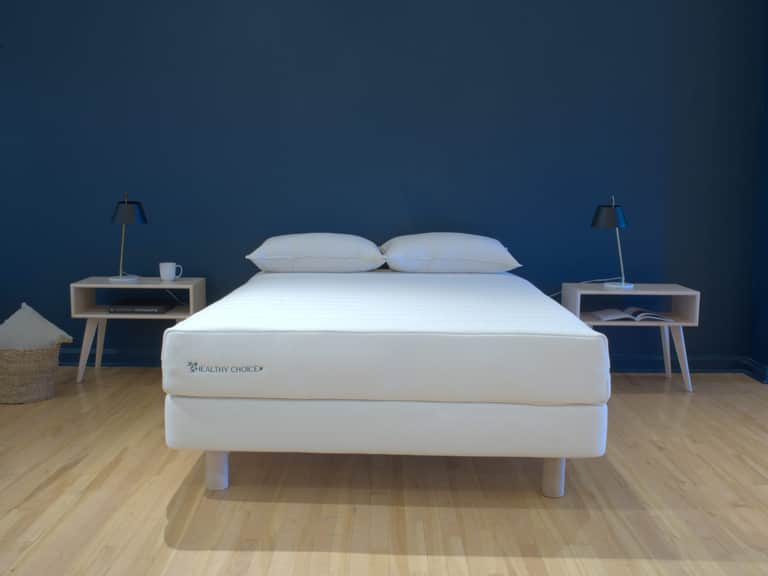
In a modern echo of that tradition, today’s sleep researchers, designers, and artisans blend science with craft. They study pressure distribution, temperature regulation, and the role of moisture in comfort, while simultaneously shaping the tactile experiences of beds and toppers. A contemporary East Coast shopper benefits from a culture that prizes evidence-based guidance, transparent materials, and a willingness to test and adjust. The Laurel Organic Dunlop Latex Mattress from Healthy Choice, with its layered latex architecture and organic cover, stands as a compact symbol of this synthesis—scientific insight meeting artisanal care.
A Practical Buying Guide for East Coast Homes
Below is a structured framework to help you evaluate mattresses in light of regional realities. Each step is designed to be actionable, with a focus on real-world testing, careful consideration of materials, and a mindful approach to long-term comfort and health.
-
Step 1: Define Your Space and Sleep Partners — Measure your room and bed area. If you live in a tight urban bedroom, prioritize edge support and a compact footprint. If you share a bed, evaluate motion isolation and the ability for two sleepers to inhabit the surface without disturbing each other.
-
Step 2: Choose a Core Type — Consider innerspring for durable support and traditional feel; latex for temperature regulation and buoyant comfort; memory foam or hybrid for contouring with some bounce. For East Coast humidity, prioritize breathable covers and materials with natural moisture-wicking properties.
-
Step 3: Test in Real Conditions — If possible, test the mattress in your bedroom with your usual bedding and pillows. Pay attention to how it feels in the evening and how it responds to morning stiffness. A longer trial reduces the risk of misalignment and discomfort.
-
Step 4: Assess Temperature and Airflow — Look for breathable materials such as organic latex, open-cell foams, and cotton or wool covers. For coastal climates, a mattress that encourages airflow and resists heat buildup will feel consistently comfortable.
-
Step 5: Consider Toppers and Protectors — A latex topper or a wool pad can tailor surface feel and temperature, while protectors guard against spills and allergens. In East Coast homes, a breathable, naturally sourced topper can be a cost-effective upgrade.
As you narrow your options, think about a single anchor: a core mattress that supports your spine in sleeping positions you favor most, paired with layers you can adjust as seasons shift and life circumstances evolve.
Product Spotlight: A Concrete Example
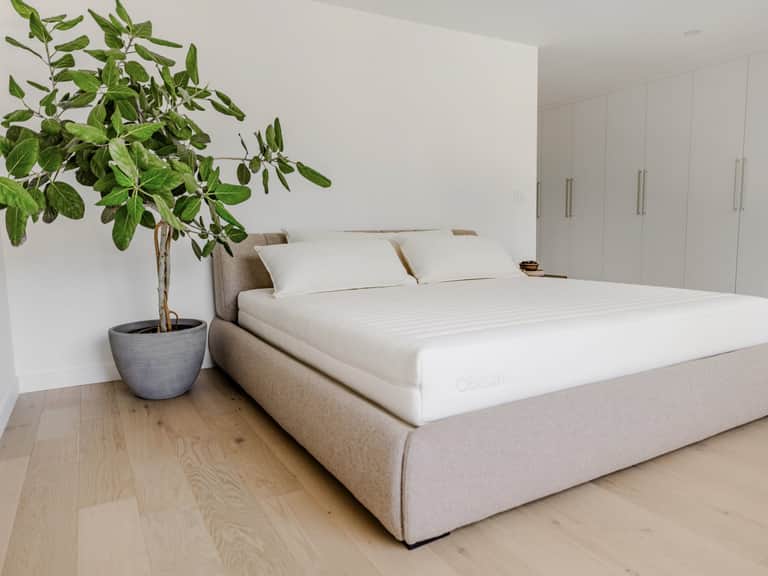
To illustrate how a mattress that aligns with East Coast needs can look in practice, consider a standout option from Healthy Choice: Laurel Organic Dunlop Latex Mattress. This bed embodies the principle of layer customization—firm or medium base, adjustable middle core, and a soft top layer—wrapped in an organic cotton cover with wool insulation. It is designed to regulate temperature, reduce surface pressure points, and offer versatile comfort across body types and sleeping styles. Its modular design makes it well-suited for platforms, adjustable bases, and a range of room aesthetics—an ideal fit for a modern East Coast home seeking sustainable luxury without compromise.
Laurel Organic Dunlop Latex Mattress
9" total with layers: 4" base (firm/medium), 3" middle (firm/medium/soft), 2" top (soft)
The mattress uses 100% GOLS-certified Dunlop latex with a certified organic cotton cover and wool-blended inner layer for temperature regulation. It is designed for adaptivity across body types and sleeping positions, with the added benefit of being adjustable to fit into a range of bed bases.
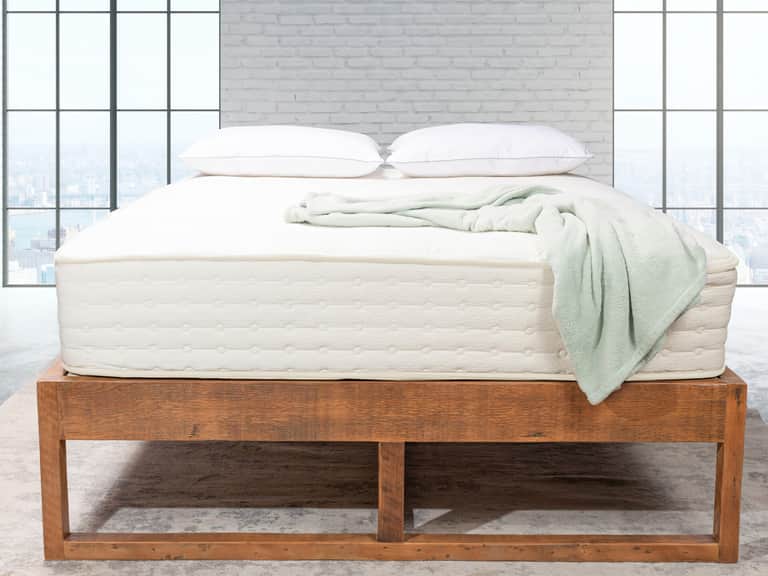
Taconic Bed (The Clean Bedroom)
Solid platform support from reclaimed wood; minimalist design; air-flow friendly.
While not the mattress itself, the Taconic Bed demonstrates the ecosystem around East Coast sleeping—supportive foundations that work in concert with organic mattresses to deliver a comfortable, healthy sleeping environment.
Putting It All Together: A Regionally Tuned Sleep Narrative
The East Coast demands a thoughtful approach to mattress buying because the sleeping environment is rarely static. Humidity, allergens, and seasonal shifts create a living laboratory in which your bed must perform. The best purchases are those that stay adaptable, that offer breathable comfort in heat, warmth in cool months, and a feeling of calm that lasts from autumn to spring.
A mattress and base combination that emphasizes breathability, edge support, and practical trial periods—paired with a topper or protector you can swap with the seasons—will help keep sleep aligned with the demands of urban life and coastal living alike. This approach, grounded in regional realities and enriched by the voices of past and present sleep authorities, invites a future where a good night’s sleep is not aspirational but habitual.
Conclusion: The East Coast Mattress Mindset
In the end, choosing the right mattress for East Coast homes is less about chasing a single “best” model and more about cultivating a sleeping environment that respects space, climate, and daily routine. It is about aligning materials, construction, and testing practices with the reality of living on a coastline and within densely built neighborhoods. The ideal bed is one that can weather both the humidity of summer and the damp stillness of late autumn, while still inviting you to linger in the embrace of a restorative night.
As you begin your search, remember that the best mattress for an East Coast home is the one that feels right in your own room, with your own pillows and sheets, under the light and air you actually experience. The journey toward better sleep begins at home—and ends, with any luck, in morning clarity, vitality, and a sense of ease that lingers long after dawn.